
There is no single best area to live in Newcastle. The right one depends on four things: how you travel to work, whether you need school places, what kind of property you want, and how much you value parking and outdoor space.
This guide covers the areas people most often compare when moving into the city, what each tends to suit, and the practical access issues that affect moving day. We move households across Newcastle every week, so the notes on parking, stairs and access come from doing the job rather than reading listings.
Jesmond
Jesmond sits just north of the city centre and is one of the most in-demand postcodes in Newcastle. You get Victorian terraces, converted flats, Jesmond Dene on the doorstep, and two Metro stations. Osborne Road is the main strip for bars and restaurants.
The trade-offs are cost and parking. Jesmond carries a price premium over most of the city, and much of it falls within residents’ parking zones. It also has a significant student population, particularly closer to Sandyford and the universities, which some families find lively and others find noisy in term time.
Tends to suit: professionals, couples, students, anyone who wants to walk into town.
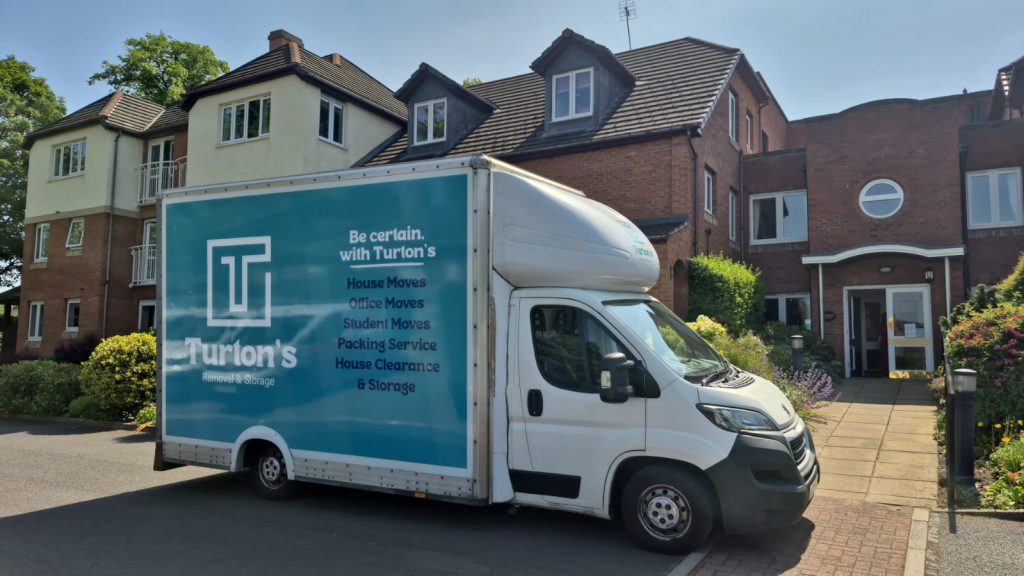
Our professional movers in Jesmond
Gosforth
Gosforth is the area most often shortlisted by families moving into Newcastle. Housing skews towards semi-detached and detached properties with actual driveways and gardens, the High Street has a proper range of shops, and the Metro runs into the centre from Regent Centre and Ilford Road.
It is quieter than Jesmond and priced accordingly in the more established streets. Newcastle Great Park to the north is the newer end of the market, with modern estates and larger family homes, though it is further out and more car-dependent.
Tends to suit: families, buyers wanting off-street parking, anyone prioritising space over walkability to the centre.
Heaton
Heaton is where a lot of people land when Jesmond stretches the budget. It is largely Victorian terraces and Tyneside flats, with Chillingham Road as the local high street and Heaton Park nearby. There is a genuine mix of young families, professionals and students.
Housing stock is the thing to understand here. Tyneside flats are ground and upper floor flats with separate front doors, common across the East End, and they affect how a move runs. Most streets have back lanes, and parking is on-street.
Tends to suit: first-time buyers, young families, people who want character property at a lower entry point than Jesmond.
High Heaton and Benton
Further out from Heaton, the housing gets newer and more suburban. Semi-detached homes, more driveways, and proximity to the Freeman Hospital make this popular with NHS staff and families who want a bit more room without moving to the edge of the city.
Tends to suit: families, hospital workers, buyers wanting off-street parking near the Metro.


Ouseburn and the Quayside
The Ouseburn Valley is Newcastle’s creative quarter, with converted industrial buildings, music venues and independent bars. The Quayside and Grainger Town offer apartment living with almost everything walkable.
Family housing is limited in both. Parking is the main practical issue, and city centre apartment blocks usually have loading restrictions and lift access to arrange in advance.
Tends to suit: renters, professionals without cars, downsizers who want city living.
Fenham and the West End
Fenham, Wingrove and the surrounding West End sit close to the RVI and the universities, which makes them practical for hospital and campus staff. Housing is a mix of terraces, flats and semis, and entry prices are generally lower than the north of the city.
Character varies noticeably street to street, more so than in Gosforth or Jesmond, so it is worth visiting at different times of day before committing.
Tends to suit: hospital and university staff, buyers looking for more house for the money.
Kingston Park, Westerhope and the outer west
These outer estates give you newer housing, driveways, and quick access to the A1 and A69. If you commute out of the city by car rather than into it, they can make more sense than anywhere central.
Tends to suit: commuters driving out of Newcastle, families wanting modern housing and parking.
| Area | Tends to suit | Moving day considerations |
|---|---|---|
| Jesmond | Professionals, couples, students | Residents’ parking zones, terraced streets, upper-floor flats with shared stairs |
| Gosforth | Families wanting space and driveways | Generally good access, though larger homes mean higher volume and longer days |
| Heaton | First-time buyers, young families | Tyneside flats, narrow back lanes, on-street parking only |
| High Heaton & Benton | Families, Freeman Hospital staff | Usually straightforward, driveways more common |
| Ouseburn & Quayside | Renters, professionals, downsizers | Loading bays, lift booking, time-restricted access, steep approaches |
| Fenham & West End | RVI and university staff, value buyers | Mixed housing stock, some terraced streets with tight parking |
| Kingston Park & outer west | Drivers commuting out of the city | Good vehicle access, newer estates may have tight cul-de-sacs |
What to check before you commit to an area
- Your actual commute, not the map distance. The Tyne and Wear Metro is the deciding factor for a lot of people. If you will use it daily, walking distance to a station matters more than which suburb you pick. If you drive, test the route at the time you would really be travelling, because the A1 western bypass and the Coast Road behave very differently at 8am than at 11am.
- School catchments, from the source. Catchment boundaries and admissions criteria change, and estate agent descriptions are not a reliable guide. Check current Ofsted reports and confirm admissions directly with Newcastle City Council before you make a decision based on a specific school.
- Student turnover, if it applies. Jesmond, Sandyford, Heaton and parts of the West End have high student populations. That means more rental turnover, more activity in term time, and much busier streets in late August and September when tenancies change over.
- Parking rules on your street. Residents’ parking zones operate across much of the inner city. Find out whether your new street is in one, how permits work, and whether visitor permits are available. This affects daily life and moving day.
Know where you are moving to?
Send us the two addresses, your dates and rough property size, and we will come back with a clear quote. The survey is free and there is no obligation to book.
Get a Free Quote or call 0191 809 0234
How your chosen area affects the move itself
This is the part most area guides skip, and it makes a real difference to how moving day runs.
- Terraced streets and back lanes. Much of Heaton, Jesmond and the West End has no off-street parking. If a removals vehicle cannot get close to the door, the crew carries further and the job takes longer. Back lanes help in some streets and are too narrow or too obstructed in others.
- Tyneside flats. An upper Tyneside flat means everything goes up or down a staircase, often a tight one with a turn. Large furniture may need dismantling to get through. Worth flagging when you book so the right crew size is allocated.
- City centre apartments. Most blocks require you to book the service lift and a loading bay in advance, and some restrict moving to certain hours. Speak to the building manager before you confirm a date, not the week of the move.
- Parking dispensation. If your street is permit-controlled or has no space for a vehicle, you can apply to Newcastle City Council for a temporary parking dispensation or bay suspension. Apply well ahead of your date, as these are not granted at short notice.
- Bridge and road works. Major works on the river crossings and city routes have been ongoing in recent years and can change journey times across the Tyne. Check current restrictions close to your date if you are moving between Newcastle and Gateshead or the south of the river.
Timing your move
Fridays and month-ends are the busiest days for completions across the UK, and Newcastle is no different. If your date is tied to a completion you have limited flexibility, which is why booking early matters more than trying to find a quiet slot.
If you are moving into a student-heavy area, be aware that late August and early September bring heavy turnover, more vans on the same streets, and more competition for parking.
If your sale and purchase do not complete on the same day, you will need storage in between. Ask whether your removals company has its own facility, since using a third party usually adds handling and cost.
Moving into Newcastle
Turton’s has been moving households across Newcastle, Gateshead, Sunderland, South Tyneside and Durham for over 30 years. We are Move Assured accredited, fully insured, and listed on ThreeBestRated as one of Tyneside’s top three moving companies, with more than 200 five-star reviews across Google, Facebook and Trustpilot.
Every quote starts with a free survey, so the price reflects your actual property and its access rather than a guess from a form. Furniture dismantling and reassembly, protective covers for floors, doors, sofas and mattresses, and our own in-house storage are all part of what we offer.
You can read more on our house removals page, or see how we work across the city on our Newcastle removals page.
Ready to plan your move to Newcastle?
Tell us where you are moving from and to, your dates, and anything unusual about access at either end. We will give you a clear quote with nothing hidden.
Get a Free Quote or call 0191 809 0234